


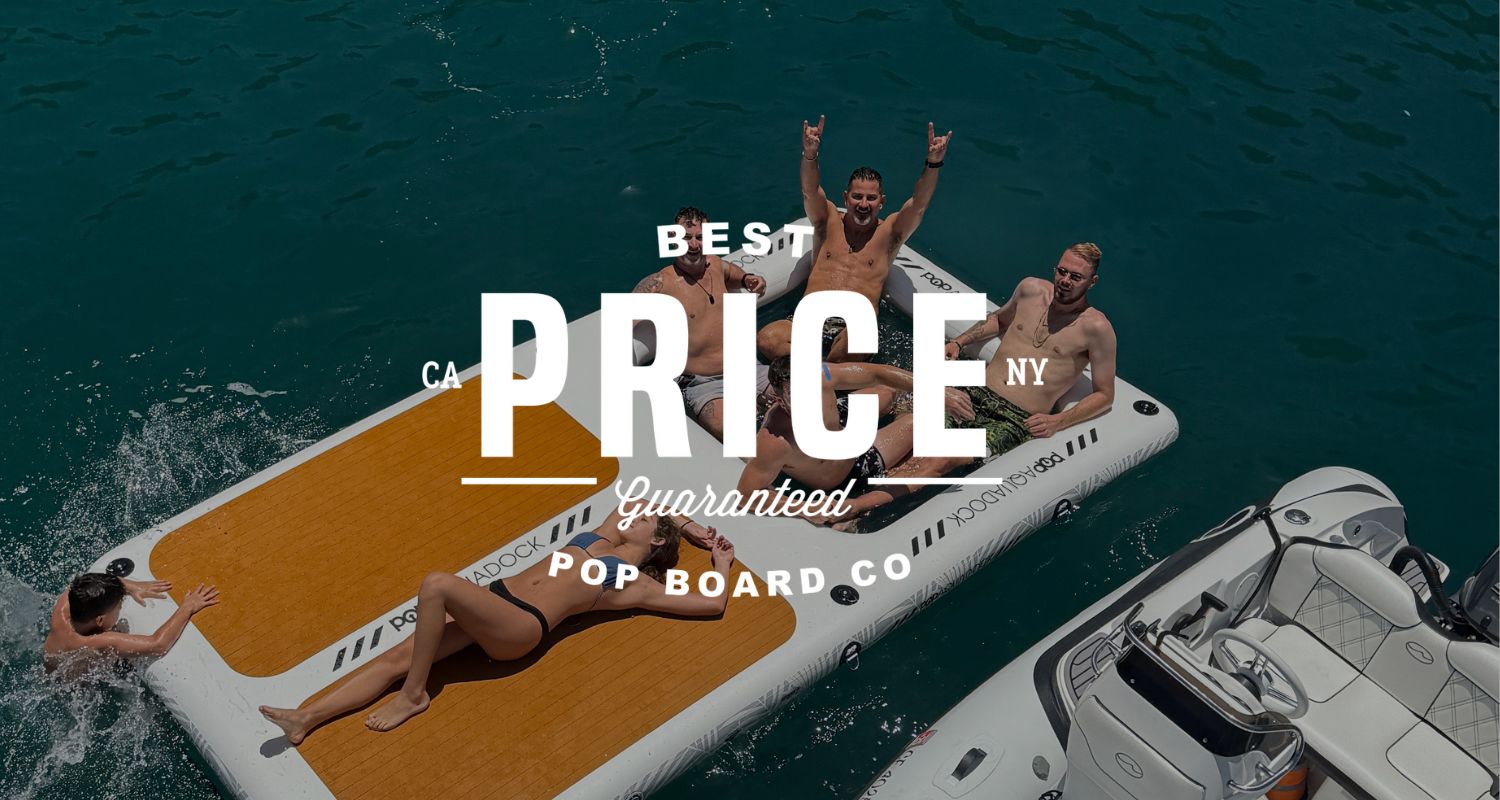

Protect Your Investment: Essential Maintenance for Inflatable Docks
Your POPUP AQUADOCK or other inflatable platform represents a significant investment in your water sports lifestyle. With proper maintenance and care, quality inflatable docks deliver 5-10 years of reliable performance across diverse US water conditions—from the frigid Great Lakes to warm Gulf Coast waters. This comprehensive guide provides proven maintenance strategies that maximize longevity, prevent costly repairs, and ensure your platform performs flawlessly season after season.
Whether you're a weekend recreational boater or a serious angler who depends on your inflatable platform for accessing prime fishing locations, following these maintenance protocols protects your investment and guarantees reliable performance when you need it most.
Understanding Inflatable Dock Construction and Materials
Effective maintenance starts with understanding how your inflatable dock is constructed and what materials require specific care.
Drop-Stitch Technology and PVC Materials
Modern inflatable docks like the POPUP YACHTDOCK use drop-stitch construction—thousands of polyester threads connecting top and bottom PVC layers. This technology creates rigid, flat surfaces when inflated to proper PSI (typically 5-7 PSI for quality platforms).
The PVC (polyvinyl chloride) material provides excellent durability, UV resistance, and waterproofing. However, it requires specific care to prevent degradation from sun exposure, chemicals, abrasion, and improper storage.
Seams, Valves, and Attachment Points
Critical stress points include:
Welded seams: Heat-welded or glued seams bond PVC layers together. These areas experience significant stress when inflated and require regular inspection for separation or wear.
Valves: High-pressure valves allow inflation and deflation. Valve integrity is essential—damaged valves cause air leaks and platform failure. Keep valves clean, lubricated, and protected from debris.
D-rings and attachment points: Reinforced D-rings provide anchor points for mooring lines, accessories, and safety equipment. Inspect regularly for tearing, separation from the platform, or wear from repeated use.

After-Use Cleaning and Inspection Protocol
Proper cleaning after each use prevents long-term damage and extends platform life significantly. Develop a consistent routine that becomes second nature.
Freshwater Rinse (Critical for All Environments)
Saltwater users: Saltwater accelerates PVC degradation and corrodes metal components. Rinse your entire platform thoroughly with fresh water immediately after each saltwater use. Pay special attention to valves, D-rings, and seams where salt crystals accumulate.
Freshwater users: Even freshwater contains minerals, algae, and organic matter that degrade materials over time. Rinse platforms after use in lakes, rivers, and reservoirs to remove these contaminants.
Rinsing technique: Use a garden hose with moderate pressure. Spray the entire top and bottom surface, focusing on crevices, valve areas, and attachment points. Avoid high-pressure washers that can damage seams or force water into valve mechanisms.
Cleaning Stubborn Contaminants
For fish slime, algae, bird droppings, or other organic matter:
1. Mix mild dish soap with warm water (avoid harsh detergents or solvents)2. Apply with a soft brush or sponge3. Scrub gently—avoid abrasive pads that scratch PVC4. Rinse thoroughly with fresh water5. Ensure all soap residue is removed (soap attracts dirt)
For stubborn stains or mildew, use a solution of 10% bleach and 90% water. Apply, let sit for 5-10 minutes, scrub gently, and rinse thoroughly. Use bleach solutions sparingly—frequent use can degrade PVC over time.
Drying Before Storage
Moisture trapped in storage promotes mold, mildew, and material breakdown. Always dry your platform completely before storage:
1. After rinsing, wipe down surfaces with a clean towel to remove standing water2. Inflate the platform fully and position in direct sunlight for 30-60 minutes3. Flip the platform to dry both sides thoroughly4. Check valve areas, seams, and crevices for trapped water5. In humid climates, use fans to accelerate drying
Never store a damp platform—even overnight storage with trapped moisture can cause mildew that's difficult to remove and weakens materials.

Post-Use Inspection Checklist
Inspect your platform after each use while it's still inflated. Early detection prevents minor issues from becoming major failures:
Surface inspection:- Check for punctures, cuts, or abrasions on top and bottom surfaces- Look for discoloration indicating UV damage or chemical exposure- Identify areas of excessive wear from repeated use
Seam inspection:- Examine all seams for separation, bubbling, or delamination- Check corners and high-stress areas carefully- Look for air bubbles along seams indicating leaks
Valve inspection:- Ensure valves seal properly and hold pressure- Check for cracks, damage, or debris in valve mechanisms- Test valve caps for secure fit- Listen for air leaks around valve bases
D-ring and attachment point inspection:- Verify D-rings are securely attached with no tearing- Check for wear or fraying where anchor lines attach- Inspect reinforcement patches around attachment points
Document any damage immediately and address repairs before the next use. Small punctures or minor seam separation are easily repaired if caught early—major failures require professional repair or replacement.
Proper Inflation and Pressure Management
Correct inflation pressure is critical for performance, safety, and longevity. Over-inflation stresses seams and materials, while under-inflation compromises stability and accelerates wear.
Manufacturer PSI Specifications
Always follow manufacturer-recommended PSI (pounds per square inch). Quality inflatable docks typically specify 5-7 PSI. Never exceed maximum PSI ratings—even by 1-2 PSI—as this significantly increases failure risk.
Use a reliable pressure gauge to verify inflation. Don't rely on feel or visual assessment—proper PSI requires accurate measurement.
Temperature and Pressure Relationship
Air expands when heated and contracts when cooled. This affects platform pressure throughout the day and across seasons:
Hot weather inflation: In summer heat or direct sunlight, inflate to the lower end of the manufacturer's PSI range (around 5 PSI). As air heats and expands, pressure increases. Monitor pressure during hot days and release air if needed to stay within specifications.
Cool weather inflation: In cooler conditions (spring, fall, or early morning), inflate to the higher end of the PSI range (around 6-7 PSI). As air warms, pressure will increase to optimal levels.
Extreme temperature changes: If you inflate in cool morning temperatures and the platform will sit in hot afternoon sun, start at lower PSI. Conversely, if inflating in hot conditions for evening use, monitor and adjust pressure as temperatures drop.
Regional considerations for US climates:
- Southern states (Florida, Texas, Arizona): Extreme heat requires careful pressure monitoring. Platforms left in direct sun can experience significant pressure increases.- Northern states (Minnesota, Montana, Maine): Cool water and air temperatures mean less pressure fluctuation, but spring and fall temperature swings require attention.- Mountain states (Colorado, Wyoming, Utah): High altitude affects pressure. Platforms inflated at low elevation and transported to high-altitude lakes may be over-inflated. Adjust accordingly.
Recommended Inflation Equipment
Quality pumps make inflation faster, easier, and more accurate. The Electric Pump 12V provides efficient inflation with built-in pressure monitoring. For backup or remote locations, the Dual Action Hand Pump offers reliable manual inflation.
Electric pumps typically inflate large platforms in 10-15 minutes. Hand pumps take 20-30 minutes but provide excellent backup when electricity isn't available or for remote locations.
Always carry a backup inflation method. Battery-powered electric pumps can fail, and having a manual pump ensures you're never stranded with a deflated platform.

Seasonal Storage Best Practices
Proper off-season storage is the single most important factor in extending inflatable dock lifespan. Poor storage causes more damage than years of normal use.
End-of-Season Preparation
Before storing your platform for winter or extended periods:
1. Deep clean: Wash thoroughly with mild soap and water, removing all organic matter, minerals, and contaminants2. Dry completely: Ensure 100% dryness—use fans or extended sun exposure if needed3. Inspect and repair: Address all damage before storage. Repairs are easier now than in spring when you're eager to get on the water4. Lubricate valves: Apply silicone-based lubricant to valve mechanisms to prevent sticking during storage5. Protect from pests: Ensure no food residue or organic matter remains that attracts rodents
Deflation and Folding Technique
Proper deflation and folding prevents creases that stress materials:
1. Open all valves and allow natural deflation (don't force air out rapidly)2. Once mostly deflated, gently press remaining air toward valves3. Fold loosely—avoid tight creases or sharp folds4. Roll rather than fold when possible to distribute stress evenly5. Don't place heavy objects on folded platforms during storage6. Store in the provided bag or a breathable cover (avoid sealed plastic that traps moisture)
Some manufacturers recommend partial inflation during storage to prevent creasing. Check your specific platform's storage recommendations.
Storage Environment Requirements
Temperature: Store in climate-controlled environments when possible. Ideal storage temperature is 40-80°F. Avoid:
- Freezing temperatures that make PVC brittle- Extreme heat (attics, car trunks in summer) that degrades materials- Temperature fluctuations that stress seams and materials
Humidity: Low to moderate humidity prevents mold and mildew. Use dehumidifiers in damp basements or storage areas. Avoid storing in consistently humid environments.
Sunlight: UV exposure degrades PVC even during storage. Store in dark locations away from windows or UV sources.
Rodent protection: Mice and rats chew inflatable materials. Store platforms off the floor, away from walls, and in areas where rodents don't frequent. Consider rodent deterrents in storage areas.
Chemical exposure: Keep platforms away from gasoline, oil, solvents, and other chemicals that degrade PVC. Don't store in garages where vehicles leak fluids or near chemical storage.
Regional Storage Considerations
Northern states with harsh winters: Climate-controlled indoor storage is essential. Unheated garages or sheds expose platforms to freezing temperatures and moisture. Basements work well if humidity is controlled.
Southern states with hot summers: Avoid attic storage where temperatures exceed 120°F. Air-conditioned spaces or climate-controlled storage units are ideal.
Coastal areas with high humidity: Dehumidification is critical. Mold and mildew develop rapidly in humid coastal climates. Consider storage units with climate control.
Arid western states: Low humidity is beneficial, but extreme temperature swings (hot days, cold nights) stress materials. Insulated storage areas moderate temperature fluctuations.
Repair and Maintenance Supplies
Keep essential repair supplies on hand for quick fixes that prevent minor damage from becoming major failures.
Essential Repair Kit Components
A comprehensive repair kit should include:
PVC patch material: The PVC Repair Kit includes patches and adhesive specifically formulated for inflatable platforms. Keep multiple patch sizes for different repair scenarios.
Marine-grade adhesive: Use adhesives designed for PVC and marine environments. Standard glues don't bond properly or withstand water exposure.
Valve repair components: Replacement valves are critical spares. Valve failures can end your day on the water—having replacements ensures quick repairs.
Cleaning supplies: Acetone or rubbing alcohol for surface preparation before patching, clean rags, and sandpaper for roughening patch areas.
Tools: Valve wrench (often included with platforms), scissors for cutting patches, roller or hard object for pressing patches firmly.
Common Repair Scenarios
Small punctures (under 1 inch):1. Deflate the platform and clean the damaged area with acetone2. Roughen the surface lightly with sandpaper3. Cut a patch 2 inches larger than the puncture (round patches work best)4. Apply adhesive to both the patch and platform surface5. Wait 3-5 minutes for adhesive to become tacky6. Press patch firmly, working from center outward to eliminate air bubbles7. Apply pressure with a roller or heavy object for 10-15 minutes8. Allow 24 hours cure time before re-inflation
Seam separation:1. Clean and dry the separated seam area thoroughly2. Apply marine-grade adhesive along the separation3. Press seam together firmly4. Clamp or weight the area to maintain pressure during curing5. Allow 48 hours cure time for seam repairs6. Test in shallow water before full use
Valve leaks:1. Remove the valve using a valve wrench2. Inspect the valve seat and O-ring for damage3. Replace damaged components or the entire valve assembly4. Apply silicone lubricant to O-rings before reinstallation5. Tighten valve securely but don't over-torque6. Test for leaks by inflating and listening/feeling for air escape
D-ring detachment:1. Clean the area where the D-ring separated2. Cut a reinforcement patch larger than the D-ring base3. Apply adhesive to the patch and platform4. Position the D-ring and press the patch over it firmly5. Apply additional patches to both sides for maximum strength6. Allow 48 hours cure time before loading the D-ring
When to Seek Professional Repair
Some damage requires professional repair services:
- Large tears or punctures (over 3 inches)- Multiple seam failures- Extensive UV damage or material degradation- Valve base separation from platform- Structural damage to drop-stitch construction
Professional repair services have specialized equipment, materials, and expertise for complex repairs. Many manufacturers offer repair services or can recommend qualified repair facilities.
UV Protection and Sun Damage Prevention
UV radiation is the primary cause of long-term inflatable dock degradation. Proactive protection extends lifespan significantly.
Understanding UV Damage
Ultraviolet radiation breaks down PVC molecular bonds, causing:
- Discoloration (fading, yellowing)- Material brittleness and cracking- Reduced tensile strength- Accelerated seam failure- Surface chalking or powdering
UV intensity varies across the United States:
- Highest UV exposure: Southern states (Florida, Texas, Arizona), high-altitude locations (Colorado, Wyoming), and areas with intense summer sun- Moderate UV exposure: Mid-latitude states, coastal areas with frequent cloud cover- Lower UV exposure: Northern states, Pacific Northwest (but still requires protection)
UV Protection Strategies
Limit sun exposure: When not in use, deflate and store your platform out of direct sunlight. Even a few hours of unnecessary sun exposure accumulates over seasons.
Use protective covers: If your platform must remain inflated between uses, cover it with UV-resistant tarps or custom covers. Ensure covers are breathable to prevent moisture accumulation.
Apply UV protectant: Marine-grade UV protectant sprays create a protective barrier on PVC surfaces. Apply at the beginning of each season and reapply monthly during heavy use periods.
Position strategically: When anchored, position platforms to minimize direct sun exposure when possible. Use natural shade from boats, trees, or structures during extended deployments.
Seasonal considerations: Summer sun is most intense. Increase UV protection efforts during June-August when UV radiation peaks across most US regions.
Water Quality and Environmental Factors
Different water environments present unique maintenance challenges.
Saltwater Environments
Saltwater is the most demanding environment for inflatable platforms:
Immediate post-use care: Rinse with fresh water within hours of leaving saltwater. Salt crystals form as water evaporates and continue corroding materials even during storage.
Increased inspection frequency: Inspect saltwater-used platforms more frequently. Saltwater accelerates wear at stress points, seams, and attachment areas.
Protective treatments: Apply marine-grade protectants designed for saltwater environments. These products provide additional corrosion and UV resistance.
Expected lifespan: Saltwater use typically reduces platform lifespan by 20-30% compared to freshwater. Expect 4-7 years with excellent maintenance versus 7-10 years in freshwater.
Freshwater Lakes and Reservoirs
Freshwater is less corrosive but presents other challenges:
Algae and organic growth: Warm, nutrient-rich lakes promote algae growth on platform surfaces. Clean regularly to prevent staining and material degradation.
Mineral deposits: Hard water leaves mineral deposits that accumulate over time. Rinse after each use and periodically clean with mild acidic solutions (vinegar and water) to remove buildup.
Zebra mussels and invasive species: In Great Lakes and other affected waters, inspect platforms for zebra mussel attachment. Remove immediately and clean thoroughly before moving to other waters to prevent species spread.
River and Moving Water
Current and debris create additional wear:
Abrasion from debris: Floating logs, branches, and rocks cause abrasion damage. Inspect platforms more frequently when used in rivers.
Sediment accumulation: River sediment is abrasive. Rinse thoroughly after river use to remove sand and silt that accelerates wear.
Current stress: Anchoring in current creates additional stress on attachment points. Inspect D-rings and anchor points carefully after river use.
Maintenance Schedule and Record Keeping
Systematic maintenance prevents oversights and helps track platform condition over time.
After Each Use (Every Time)
- Rinse with fresh water- Visual inspection for damage- Dry before storage- Check valve function- Verify anchor points are secure
Weekly (During Active Use Season)
- Deep clean with soap and water- Detailed inspection of seams and high-stress areas- Check and adjust inflation pressure- Lubricate valves- Inspect and clean anchor lines and equipment
Monthly (During Active Use Season)
- Apply UV protectant- Inspect and test repair kit supplies- Check storage area for moisture, pests, or damage- Document any wear patterns or developing issues- Clean and organize accessories
Seasonal (Beginning and End of Season)
Season start:- Comprehensive inspection of entire platform- Test inflation and pressure holding- Verify all valves function properly- Check repair kit and replace used supplies- Apply UV protectant- Inspect and replace worn anchor lines or equipment
Season end:- Deep clean and sanitize- Complete all needed repairs- Lubricate valves for storage- Proper deflation and folding- Store in climate-controlled environment- Document condition and any concerns for next season
Annual (Once Per Year)
- Professional inspection (if available)- Replace worn components proactively- Evaluate overall condition and remaining lifespan- Update repair kit supplies- Review and update maintenance records
Maintenance Record Keeping
Document maintenance activities to track patterns and predict issues:
- Date and type of each use (saltwater, freshwater, duration)- Maintenance performed (cleaning, repairs, inspections)- Damage discovered and repairs completed- Replacement parts installed- Environmental conditions (temperature, UV exposure, water quality)- Performance issues or concerns
This record helps identify wear patterns, predict component failures, and optimize maintenance schedules. It's also valuable for warranty claims or when selling used equipment.
Extending Lifespan: Advanced Tips
Beyond basic maintenance, these advanced strategies maximize platform longevity.
Rotation and Even Wear
Rotate your platform's orientation regularly to distribute wear evenly. If you consistently anchor the same corners or position the platform the same direction, those areas experience accelerated wear. Rotating 90-180 degrees each use spreads stress across all areas.
Protective Underlayment
When using platforms over rocky bottoms or abrasive surfaces, consider a protective underlayment—a sacrificial layer between the platform and damaging surfaces. This is particularly valuable for fishing platforms anchored over rocky structure.
Pressure Monitoring During Use
Check pressure periodically during extended use, especially in changing temperatures. Maintaining optimal PSI throughout use reduces stress on seams and materials.
Proactive Component Replacement
Replace valves, D-rings, and other components before they fail. If a valve shows signs of wear or a D-ring attachment looks stressed, replace it proactively rather than waiting for failure. Preventive replacement is cheaper and more convenient than emergency repairs.
Dedicated Use Platforms
If you use platforms in both saltwater and freshwater, consider dedicated platforms for each environment. Saltwater accelerates wear—using the same platform in both environments means your freshwater use suffers from saltwater-induced degradation.
Frequently Asked Questions
How long should my inflatable dock last with proper maintenance?
Quality inflatable docks like the POPUP AQUADOCK last 5-10 years with proper maintenance. Freshwater use, climate-controlled storage, UV protection, and regular cleaning maximize lifespan. Saltwater use, extreme climates, and poor storage reduce lifespan to 4-7 years. The single biggest factor is proper off-season storage in climate-controlled environments.
Can I leave my inflatable dock inflated all season?
Yes, but with caveats. Extended inflation accelerates UV damage and material stress. If leaving inflated for weeks or months, use UV-protective covers, monitor pressure regularly, and inspect frequently for damage. Deflating between uses extends lifespan significantly. For seasonal deployment (entire summer), expect 20-30% reduced lifespan compared to deflating after each use.
What's the most common cause of inflatable dock failure?
UV damage from sun exposure is the leading cause of long-term failure, followed by improper storage (moisture, extreme temperatures, rodent damage). Acute failures typically result from over-inflation, impact damage, or using platforms beyond their design limits. Proper UV protection and storage prevent most failures.
How do I know if my platform is properly inflated?
Use a pressure gauge to verify PSI matches manufacturer specifications (typically 5-7 PSI). The platform should feel firm but not rock-hard. You shouldn't be able to press the surface down more than 1/2 inch with firm hand pressure. Over-inflated platforms feel extremely rigid and show stress lines at seams. Under-inflated platforms flex excessively and feel soft.
Can I repair my inflatable dock myself?
Yes, most repairs are DIY-friendly. Small punctures, minor seam separation, and valve replacement are straightforward with a quality PVC repair kit and basic tools. Large tears, extensive seam failure, or structural damage require professional repair. Follow manufacturer repair instructions carefully and allow adequate cure time before re-use.
What should I do if my platform develops a slow leak?
Locate the leak by inflating the platform and listening/feeling for escaping air. For hard-to-find leaks, spray soapy water on suspected areas—bubbles form at leak points. Mark the leak location, deflate the platform, clean and dry the area, then patch following proper repair procedures. Check valves first—they're the most common leak source and are easily tightened or replaced.
How do I remove mold or mildew from my inflatable dock?
Mix a solution of 10% bleach and 90% water. Apply to affected areas, let sit for 10 minutes, scrub gently with a soft brush, and rinse thoroughly with fresh water. Dry completely in direct sunlight. Prevent future mold by ensuring platforms are 100% dry before storage and storing in low-humidity environments. Persistent mold indicates chronic moisture problems in your storage area.
Should I deflate my platform during storms or high winds?
Yes, absolutely. High winds create enormous forces on inflated platforms, even when anchored. Wind can flip platforms, tear anchor points, or blow them into hazards. Always deflate and secure platforms before storms. Monitor weather forecasts and err on the side of caution—deflating takes 15 minutes and prevents potential damage or loss.
Conclusion: Maintenance Pays Dividends
Proper maintenance transforms your inflatable dock from a seasonal purchase into a decade-long investment. The time invested in cleaning, inspection, proper storage, and proactive repairs pays enormous dividends in extended lifespan, reliable performance, and peace of mind on the water.
Whether you're using your POPUP DOCK for fishing remote bass lakes, your POPUP YACHTDOCK as a yacht tender, or your POPUP AQUANET as a family swim platform, consistent maintenance ensures it performs flawlessly season after season.
The maintenance protocols outlined in this guide—from after-use cleaning to seasonal storage, from UV protection to proactive repairs—represent proven best practices developed through years of real-world use across diverse US water conditions. Implement these strategies systematically, keep maintenance records, and address issues promptly. Your inflatable platform will reward you with years of reliable service and countless memorable experiences on America's waters.
Explore our complete inflatable water docks collection and essential maintenance accessories including repair kits, replacement valves, and quality pumps to keep your platform in peak condition for years to come.


Leave a comment
All comments are moderated before being published.
This site is protected by hCaptcha and the hCaptcha Privacy Policy and Terms of Service apply.